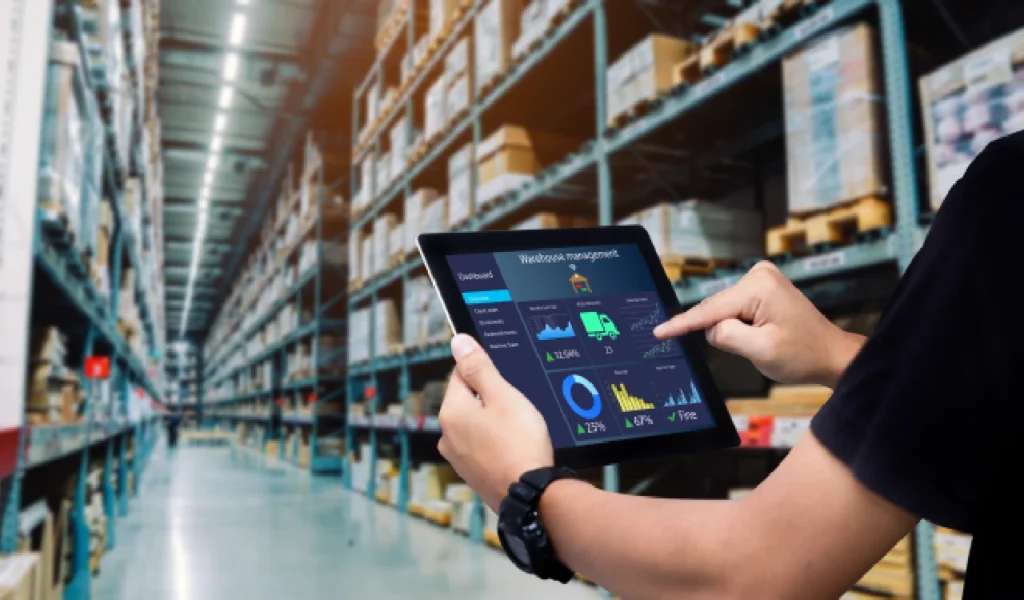

The consumer packaged goods (CPG) industry is undergoing a shift, driven by the force of artificial intelligence (AI). While large corporations have readily embraced AI’s potential to optimize operations and elevate customer experiences, small and medium CPG enterprises (SMEs) face unique challenges in navigating this transformative wave. This blog delves into the specific obstacles SMEs encounter in implementing AI within their supply chains, exploring the past, present, and future of AI in the CPG landscape.
Understanding the CPG Landscape
CPG businesses encompass a vast array of companies, from neighborhood bakeries to global beverage giants. SMEs in this domain often operate with leaner structures, tighter budgets, and limited access to specialized resources. Despite these limitations, they exhibit exceptional agility, quick decision-making, and a deep understanding of their local markets.
A deeper dive into the CPG landscape, specifically focusing on the advantages and challenges faced by SMEs:
Advantages of CPG SMEs
- Agility and Adaptability: They can quickly pivot and adjust to changing market trends, preferences, and local needs. This is often due to their smaller size and decision-making autonomy, allowing them to experiment with new products and marketing strategies faster than larger corporations.
- Localized Expertise: Small businesses usually have strong ties to their communities and a deep understanding of their specific consumer behaviors and preferences. This allows them to tailor their offerings and marketing to resonate better with their local customer base.
- Passion and Innovation: Driven by a strong entrepreneurial spirit, SMEs often bring fresh ideas and innovative approaches to product development and marketing. They are less constrained by established practices and bureaucracy, giving them the freedom to take creative risks.
- Cost Efficiency: With leaner structures and lower overhead costs, SMEs can compete on price and value proposition, particularly in niche markets. This allows them to carve out a space even against larger competitors.
- Flexibility and Speed: Their nimble size allows them to adapt quickly to supply chain disruptions or unexpected challenges. They can source ingredients or materials from local suppliers, reducing reliance on large national or international networks.
Challenges of CPG SMEs
- Limited Resources: Access to financial resources, specialized talent, and marketing expertise can be limited for SMEs. This can hinder their ability to scale up, invest in research and development, or compete effectively on a national level.
- Brand Awareness and Distribution: Building brand recognition and securing shelf space in major retailers can be a major hurdle for small businesses. Large CPG giants often have established relationships with retailers and greater marketing budgets, making it difficult for SMEs to compete for consumer attention.
- Compliance and Regulations: Navigating the complex web of regulations in the food and beverage industry can be a challenge for small businesses. Lack of resources and legal expertise can put them at risk of non-compliance, leading to potential fines and setbacks.
- Competition: The CPG market is highly competitive, with established players holding a significant market share. SMEs may struggle to compete on price, advertising budgets, or distribution channels.
- Sustainability and Ethical Sourcing: Consumers are increasingly demanding transparency and ethical practices from businesses. Implementing sustainable practices and sourcing ethically can be an additional cost and effort for small businesses.
Despite these challenges, CPG SMEs play a vital role in the industry, injecting competition, innovation, and local flavor into the market. By leveraging their agility, local expertise, and passion, they can carve out valuable niches and build loyal customer bases. With the right support and resources, these small businesses can thrive and contribute to a more diverse and vibrant CPG landscape.
AI’s Arrival in CPG
The CPG industry’s early AI adopters focused on optimizing demand forecasting, supply chain management, and marketing campaigns. Machine learning algorithms analyzed vast amounts of data, uncovering hidden patterns and enabling predictions with unprecedented accuracy. This led to:
- Reduced inventory costs: Accurate forecasting minimized overstocking and waste.
- Improved delivery efficiency: Optimizing routes and logistics led to faster and more cost-effective deliveries.
- Personalized marketing: AI-powered segmentation and targeting facilitated highly relevant customer experiences, boosting sales and loyalty.
Past Challenges and Impacts for SMEs
However, early AI applications came with significant hurdles for SMEs:
Built for Databricks Lakehouse
- High Cost: Setting up and maintaining complex AI systems was expensive, often exceeding the budgets of smaller businesses.
- Technological Readiness: Implementing AI required investments in data infrastructure and digital skills, which many SMEs lacked.
- Skills Gap: Finding talent with expertise in AI development, deployment, and data analysis proved challenging for smaller firms.
Despite these obstacles, some pioneering SMEs saw the long-term value of AI. They started with smaller-scale, targeted implementations, focusing on tasks with high potential for return on investment, such as demand forecasting for perishable goods or optimizing local delivery routes. These early successes demonstrated the power of AI for even the smallest players in the CPG arena.
Present Challenges and Impacts for SMEs
Today, the AI landscape for SMEs in CPG is evolving rapidly:
- Cloud-based Solutions: The emergence of cloud-based AI platforms and tools has significantly reduced upfront costs and democratized access to advanced AI capabilities for SMEs.
- Pre-trained Models and SaaS Solutions: Specialized AI solutions tailored for specific CPG tasks are becoming readily available, eliminating the need for extensive in-house development.
- Focus on ROI: A shift towards emphasizing short-term, tangible returns on investment is making AI more palatable for risk-averse SMEs.
These factors are driving a surge in AI adoption among SMEs, leading to:
- Enhanced Operational Efficiency: Streamlined processes lead to reduced costs and improved productivity.
- Deeper Customer Insights: AI-powered analytics provide valuable insights into customer preferences and behavior, enabling smarter product development and marketing strategies.
- Innovation and Differentiation: SMEs can leverage AI for unique applications, like personalized packaging or dynamic pricing, standing out in a competitive market.
The Future of AI in CPG SMEs
The future of AI in CPG SMEs is promising, fueled by advancements in technology and the emergence of more affordable and accessible solutions. Key trends to watch include:
- Rise of cloud-based AI: Cloud computing offers SMEs access to powerful AI tools without the need for expensive hardware investments.
- Democratization of AI: AI-powered analytics provide valuable insights into customer preferences and behavior, enabling smarter product development and marketing strategies.
- Collaboration and Partnerships: SMEs can leverage AI for unique applications, like personalized packaging or dynamic pricing, standing out in a competitive market.
- Hyper-Personalization: SMEs can leverage AI for unique applications, like personalized packaging or dynamic pricing, standing out in a competitive market.
- Sustainability and Transparency: AI can be used to optimize resource utilization, minimize waste, and improve supply chain transparency, addressing growing consumer demand for sustainable practices.
- New Products and Services: AI can help CPG companies develop innovative products and services that cater to evolving consumer needs and preferences.
Addressing the Challenges
To overcome the challenges and fully realize the potential of AI, SMEs need to:
- Develop a clear AI strategy: Identify specific business needs and goals that AI can address.
- Invest in data infrastructure: Ensure high-quality data is available to train and run AI models.
- Cost: Collaborating with AI solution providers that offer flexible pricing models and cater to specific CPG needs can help overcome cost barriers.
- Technological Readiness: Investing in building digital infrastructure and upskilling the workforce in basic data analysis and AI literacy is crucial.
- Skills Gap: Partnering with universities and AI providers to access training programs and talent pool initiatives can bridge the skills gap.
Conclusion
While challenges remain, AI holds immense potential for CPG SMEs to compete and thrive in the digital age. By adopting a strategic approach, investing in data, and embracing collaboration, SMEs can unlock the power of AI to transform their businesses and become the next generation of CPG leaders.